There's a particular kind of disappointment that comes in mid-July, when the border you planted with such hope in spring has gone over and left a flat green mess for the rest of the summer. Almost always the cause is the same: the perennials were chosen for one good fortnight in bloom and nothing else. A perennial that earns its place gives you far more than flowers. It gives you weeks of interest, good foliage when it isn't flowering, and the manners to come back reliably year after year.
Look Past the Flower
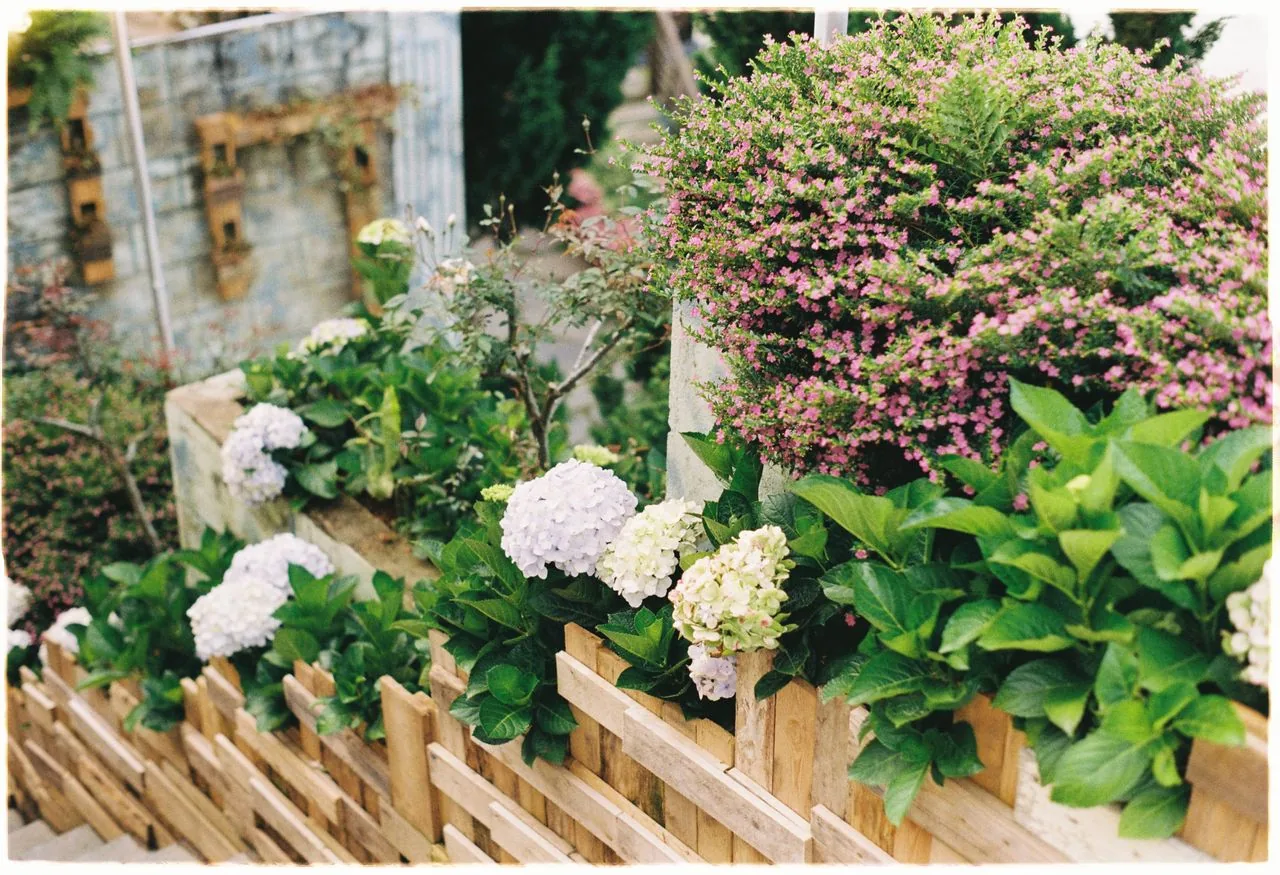
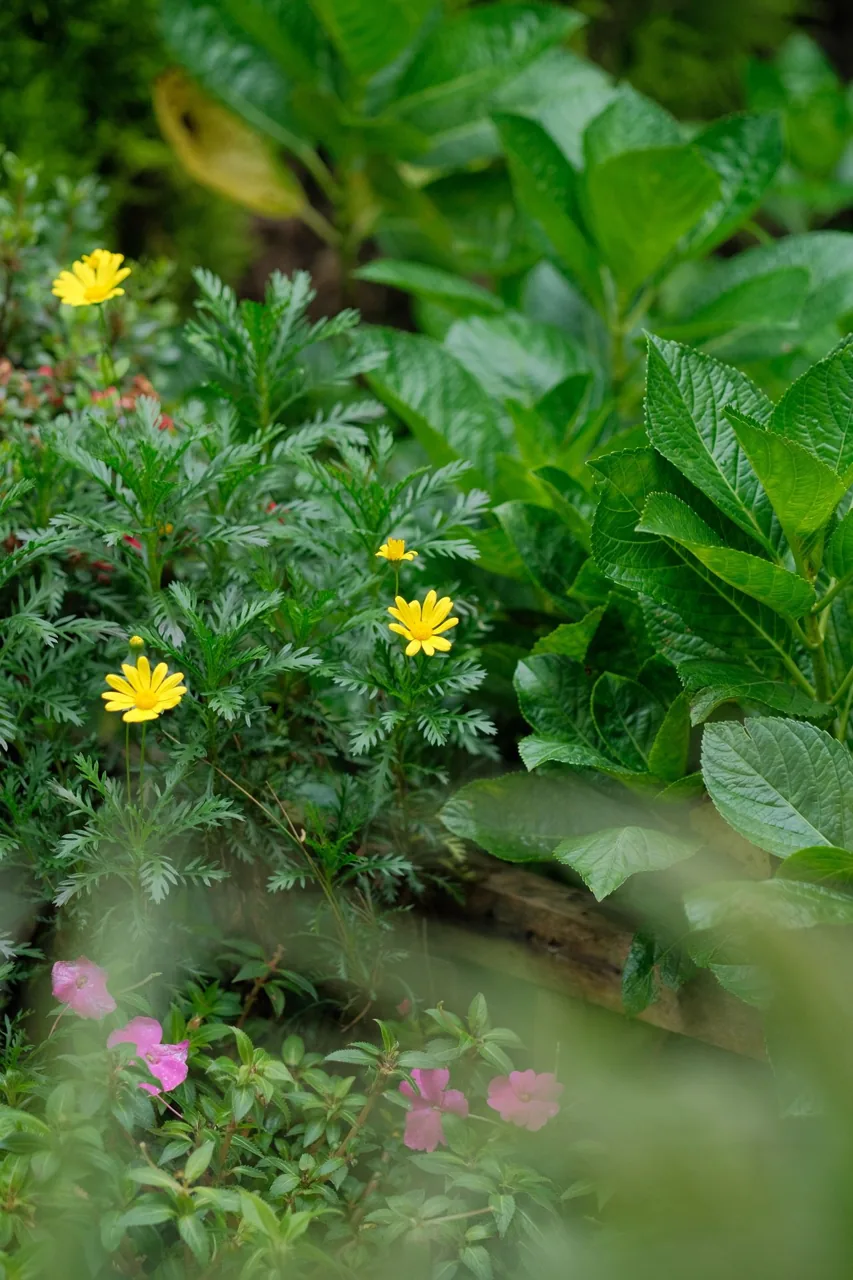
The flower is the first thing we fall for and the least important thing in the long run. Most perennials are in bloom for two or three weeks; they're in leaf for six months. So I judge a plant on its foliage first. Does it hold its shape after flowering, or collapse into a sad heap? The grey, dissected leaves of a hardy geranium, the bold paddles of a hosta, the fine vertical lines of a grass, these carry a border long after the petals have dropped.
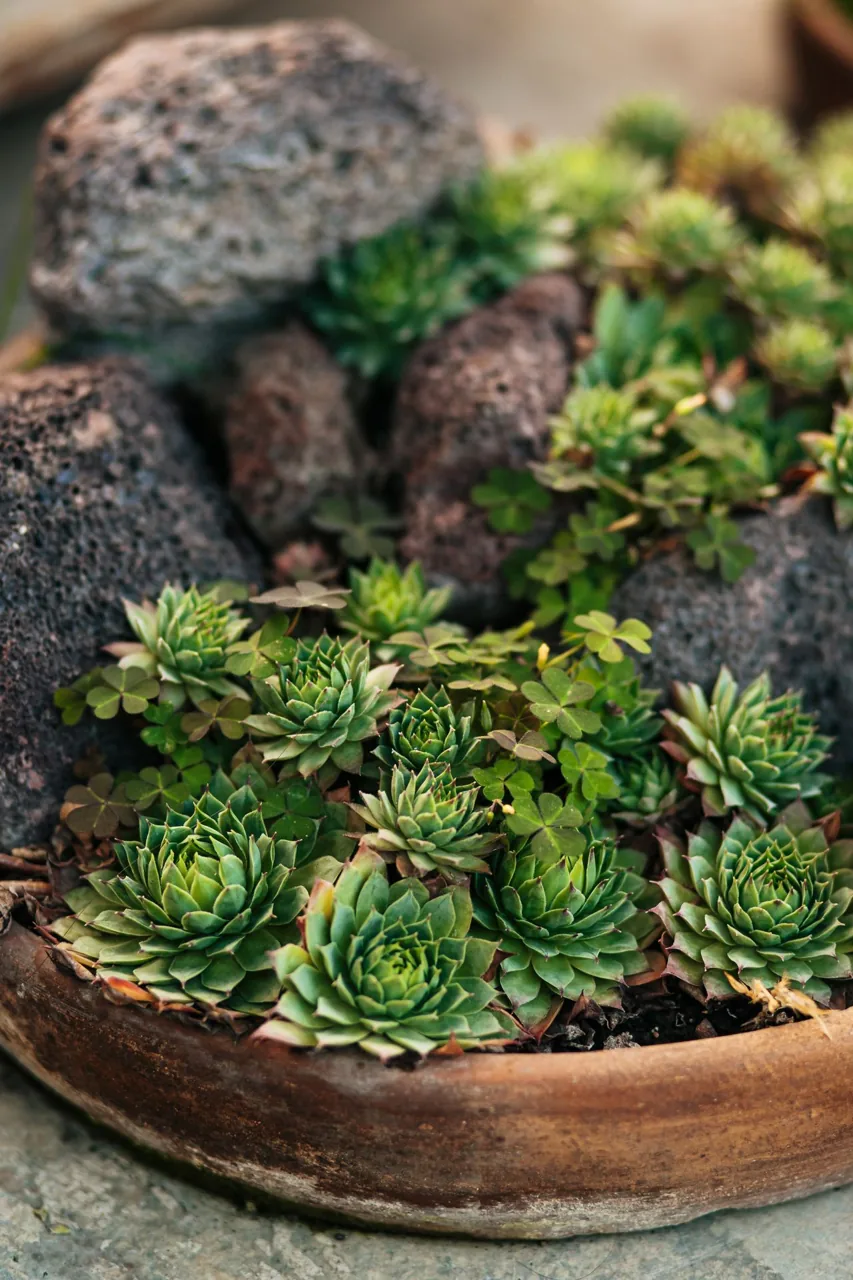
Seasons of interest matter just as much. A plant like sedum gives you fleshy spring rosettes, late-summer flowers and seed heads that stand right through winter and look glorious under frost. That's three or four seasons of work from one plant. Compare that to something that's spectacular for ten days and an eyesore for the other fifty weeks, and the choice makes itself.
Right Plant, Right Place
The single biggest reason perennials fail is being put somewhere they hate. A sun-lover sulking in shade, a moisture-lover baking in dry sand, these plants limp along and then quietly die, and we blame ourselves rather than the placement. Before you buy, be honest about your conditions: how many hours of direct sun the spot really gets, whether the soil holds water or drains in minutes, how exposed it is to wind. If you want to go deeper on matching plants to conditions, the RHS guide to garden design is a sound, jargon-free place to read up on aspect, soil and the principles of good planting before you spend a penny.
Group plants by what they want, not just by how they look together. A bed of things that all thrive in the same hot, free-draining spot will look after itself; a bed of plants pulling in different directions will always be a fight.
Structure, Repetition and Staying Power
A good border needs a backbone of reliable, long-lived perennials, the kind that bulk up over a few years and forgive a missed watering. Around that backbone you can have fun with shorter-lived performers, but the structure should hold even in their absence. I lean on a handful of dependable genera: salvias, achilleas, geraniums, ornamental grasses, and the taller umbellifers for height and that airy, see-through quality.
Then repeat them. The instinct is to buy one of everything, but a border reads far better with five of a few good plants than with one each of forty. Repetition gives rhythm, and rhythm is what makes a planting feel designed rather than collected. Choose perennials that pull their weight across the year, place them where they want to be, and plant them in generous, repeating drifts. Do that, and the border will reward you for a decade.