We've all seen them: the immaculate outdoor kitchens and sunken seating areas in the glossy magazines, photographed once and apparently never sat in again. An outdoor living space is only a success if you'd cheerfully spend an ordinary Tuesday evening in it, not just a styled afternoon for the camera. That single test, would I actually use this, should drive every decision, from where you put the sofa to how much shade you can summon at five o'clock.
Start With How You Actually Live
Before any paving is ordered, watch how your household already uses the garden. Where does the morning coffee get drunk? Where do people drift to with a glass of wine? Gardens have natural gathering points, usually wherever the late sun lands or the view is best, and the smart move is to build the living space there rather than where it looks tidiest on a plan. Think about real activities: eating, lounging, working from a laptop, the children sprawled on the floor. Each wants slightly different things, and a good outdoor room quietly accommodates several at once.
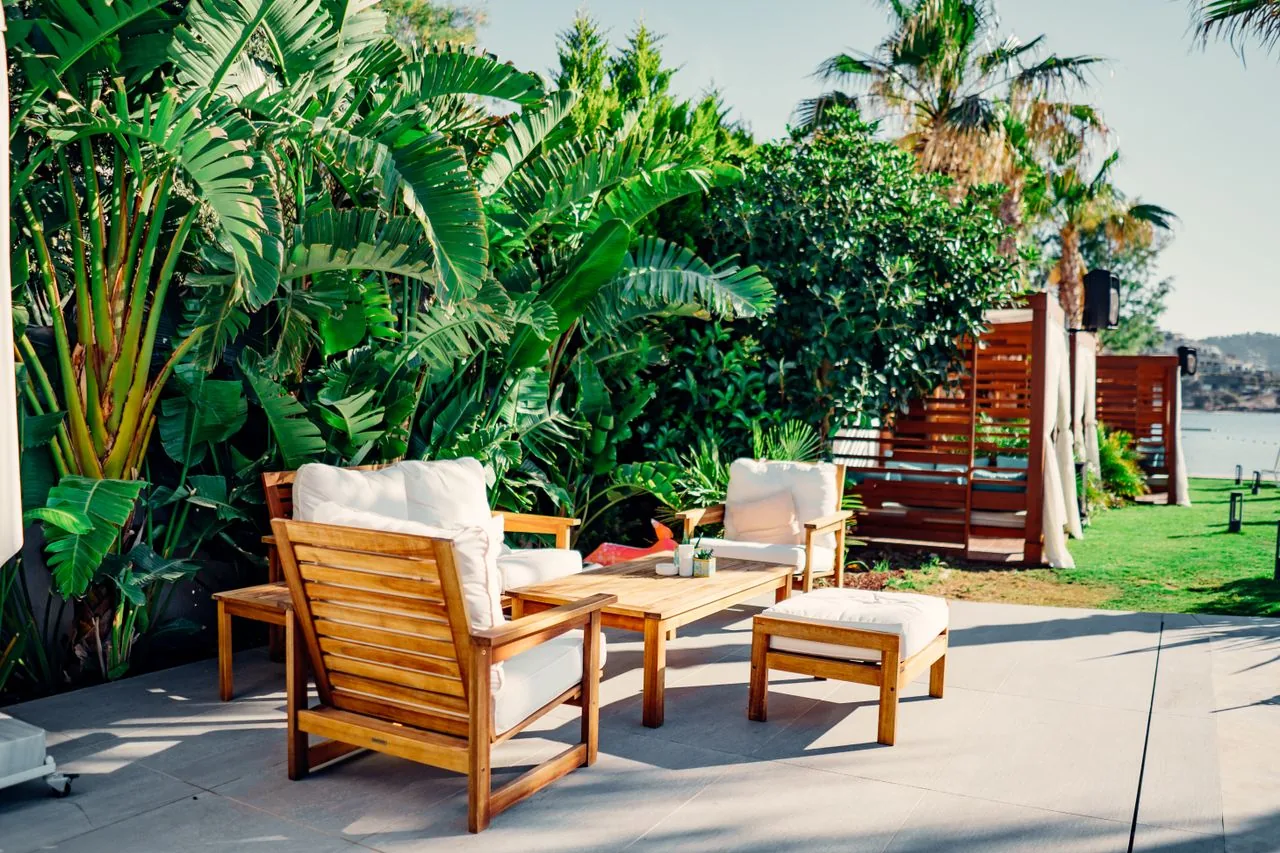
Furniture is where most schemes fall down. Spindly cafe sets look elegant and are miserable to sit on for more than twenty minutes. Invest in deep, properly cushioned seating you'd want to read in, and give it room to breathe; a sofa crammed against a wall with no space to walk past never feels relaxed. Generosity of scale, here as everywhere, reads as luxury.
Blurring Inside and Out
The most memorable outdoor living spaces feel like an extension of the house rather than a separate zone you visit. The best examples I've seen, from a modest courtyard in Lisbon to a designer villa in Seminyak where the lounge simply dissolved into the pool terrace through a wall of sliding glass, all share one quality: the threshold between indoors and out has been deliberately softened until it almost disappears. You can borrow that idea at any budget. Continue the same flooring material from the kitchen out onto the terrace. Repeat an interior colour in the outdoor cushions. Align an outdoor sofa with the line of an indoor one so the eye reads them as a single space. When inside and out speak the same language, the garden becomes a room you live in, not a place you escape to.
Comfort, Shelter and Light
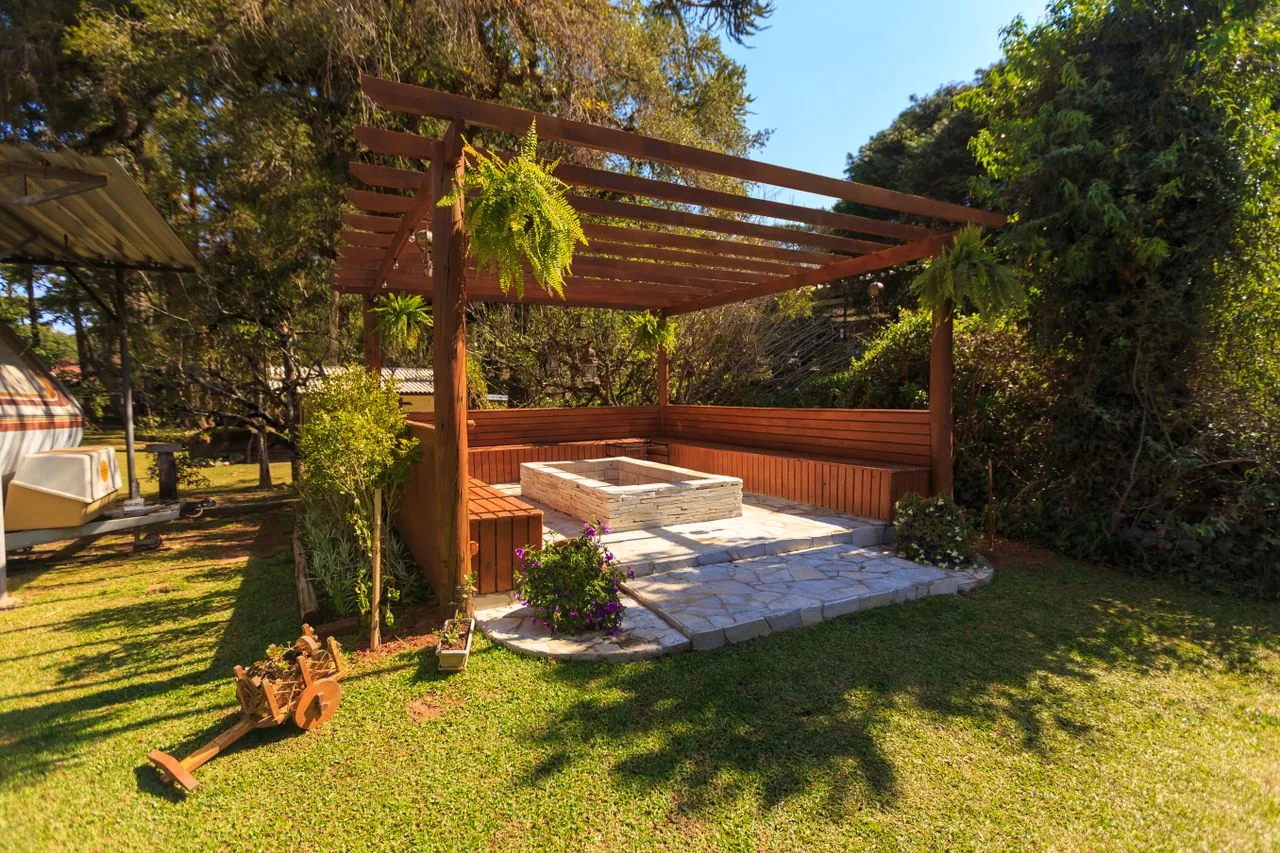
Comfort is mostly about managing the elements. We overestimate how often it's warm enough and underestimate how often it's a touch too bright, too breezy or too cool. Overhead structure, a pergola, a deep eave, a simple sail, makes a space usable across far more of the year by taking the edge off midday sun and the first spots of rain. A screen or hedge on the windward side does more for comfort than any heater.
Then there's the evening, when these spaces really come into their own. Skip the floodlight. Layer low, warm light instead: a few lanterns, candles on the table, a soft wash up into a tree. Good lighting is what keeps people outside after dinner instead of drifting back indoors. Get the comfort right and the lighting warm, and you'll find the space pulls you out there without thinking, which is the only proof that matters.