Most struggling gardens have the same problem: they're flat. Everything happens at ground level, the eye has nowhere to climb, and the space feels like a carpet rather than a room. The quickest cure is vertical structure. A pergola, an arch, a run of obelisks, even a single well-placed pillar gives a garden height, shadow and a sense of architecture that planting alone takes years to build. Get it right and a dull rectangle suddenly has volume and presence.
What Structure Actually Does
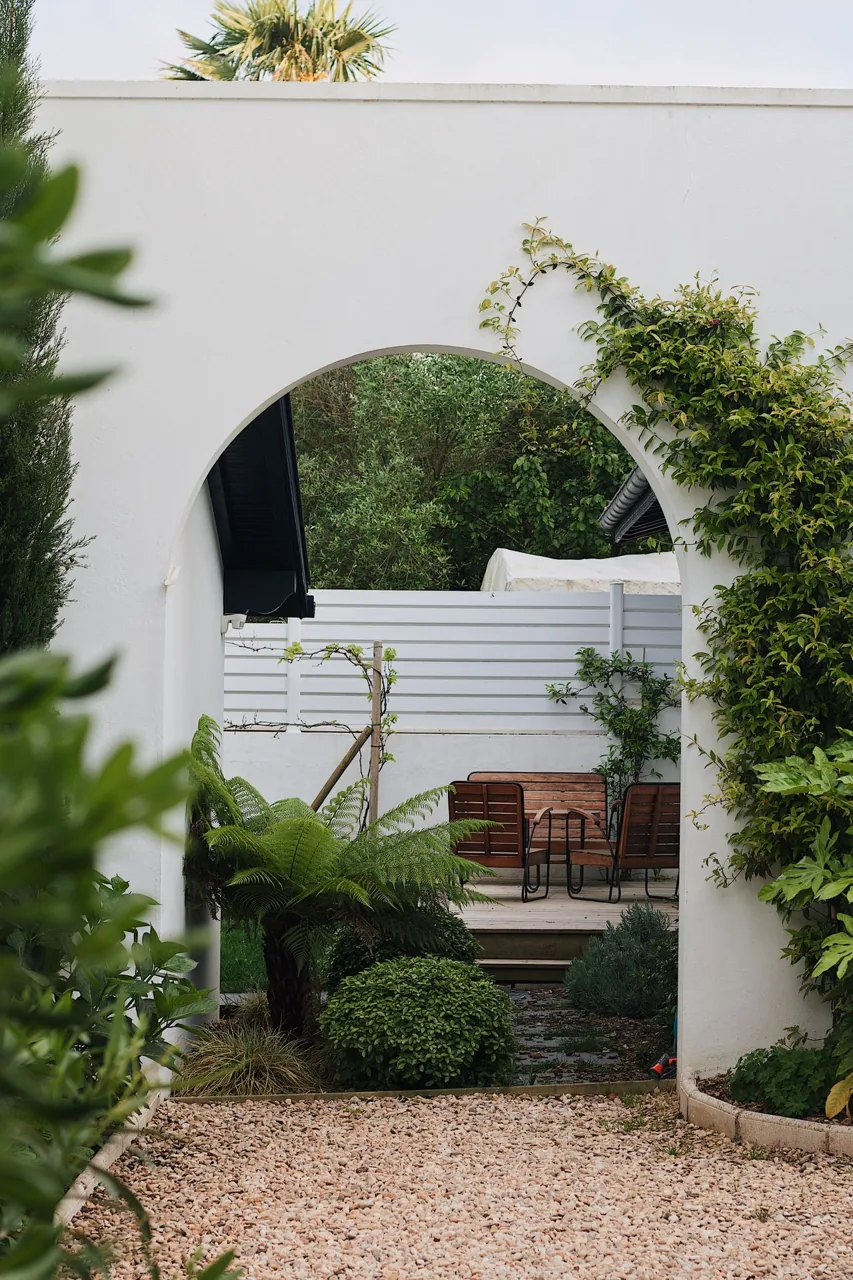
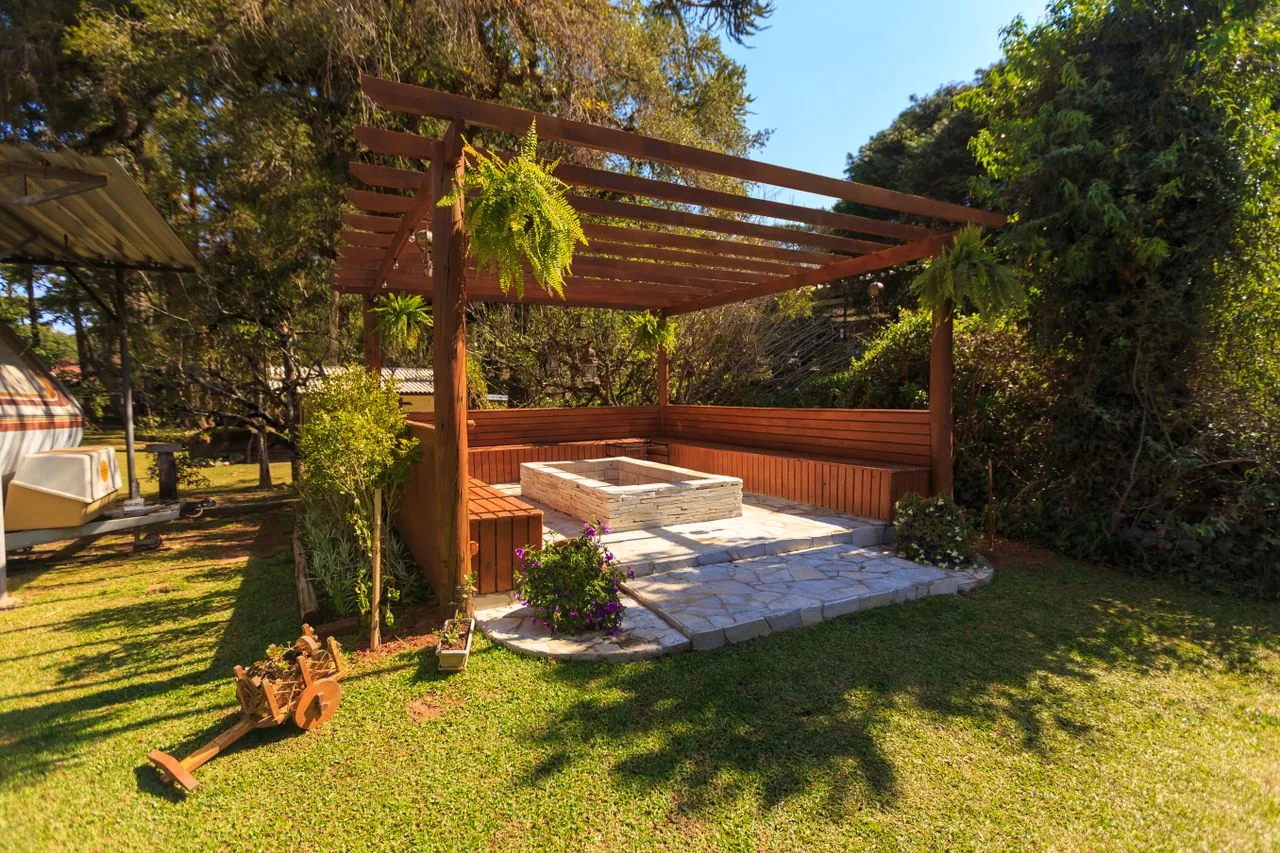
A pergola does three jobs at once, which is why it's such a workhorse. It defines a space, turning an open patch of terrace into a clear outdoor room. It provides dappled shade, taking the glare off a south-facing seating area without plunging it into gloom. And it gives climbing plants somewhere to go, lifting roses, wisteria and grapevines up where you can walk beneath them. An arch works on a smaller scale, marking a transition from one part of the garden to another and framing the view through it like a picture.
Then there are the lighter structures, the obelisks and tripods, the wall-mounted trellis, that do the same trick in miniature. Three matching obelisks marching down a border add instant rhythm and height between seasons, holding the eye even when the perennials around them have died back. Vertical elements are also the simplest way to add that fourth dimension, the play of light and shadow that flat planting can never quite manage on its own.
Scale Is Everything
The mistake I see most often is structures built too small. A pergola needs real heft to look intentional rather than apologetic. Posts should be generous, 150mm square at the very least, and the whole thing should sit comfortably above head height, with at least 2.2 metres of clearance so a tall guest and a hanging wisteria raceme don't both arrive at once. A spindly, undersized pergola looks like scaffolding; a properly proportioned one looks like it was always meant to be there.
Width matters as much as height. A pergola over a path should be wide enough that the climbers cladding its sides don't pinch the route to a squeeze by midsummer. Build for the plant at full size, not the plant in the pot. The same goes for arches: a mean little arch that you have to duck through is worse than no arch at all.
Material and Restraint
Timber is the friendliest material for most gardens, oak for longevity and silvery good looks, softwood if the budget's tighter, but match the style to the house. Painted steel or powder-coated aluminium suits a contemporary scheme; rough-sawn oak belongs in a looser, more rural one. Whatever you choose, restraint is the watchword. One generous, well-built pergola in the right place transforms a garden. Three competing structures, an arch here, a gazebo there, a pergola somewhere else, just make it cluttered and busy. Decide where the eye most needs lifting, build one thing properly, and let the planting do the rest.