Plants come and go, but the hard landscaping stays. The paths, the paving, the steps and edges are the bones of a garden, and unlike a border you can't quietly rework them next spring if they're wrong. Getting them right is expensive to do once and ruinous to do twice, which is why hardscaping deserves more thought, and usually more of the budget, than most people give it. Spend it well and the planting has a frame worthy of it for thirty years.
Choosing the Material
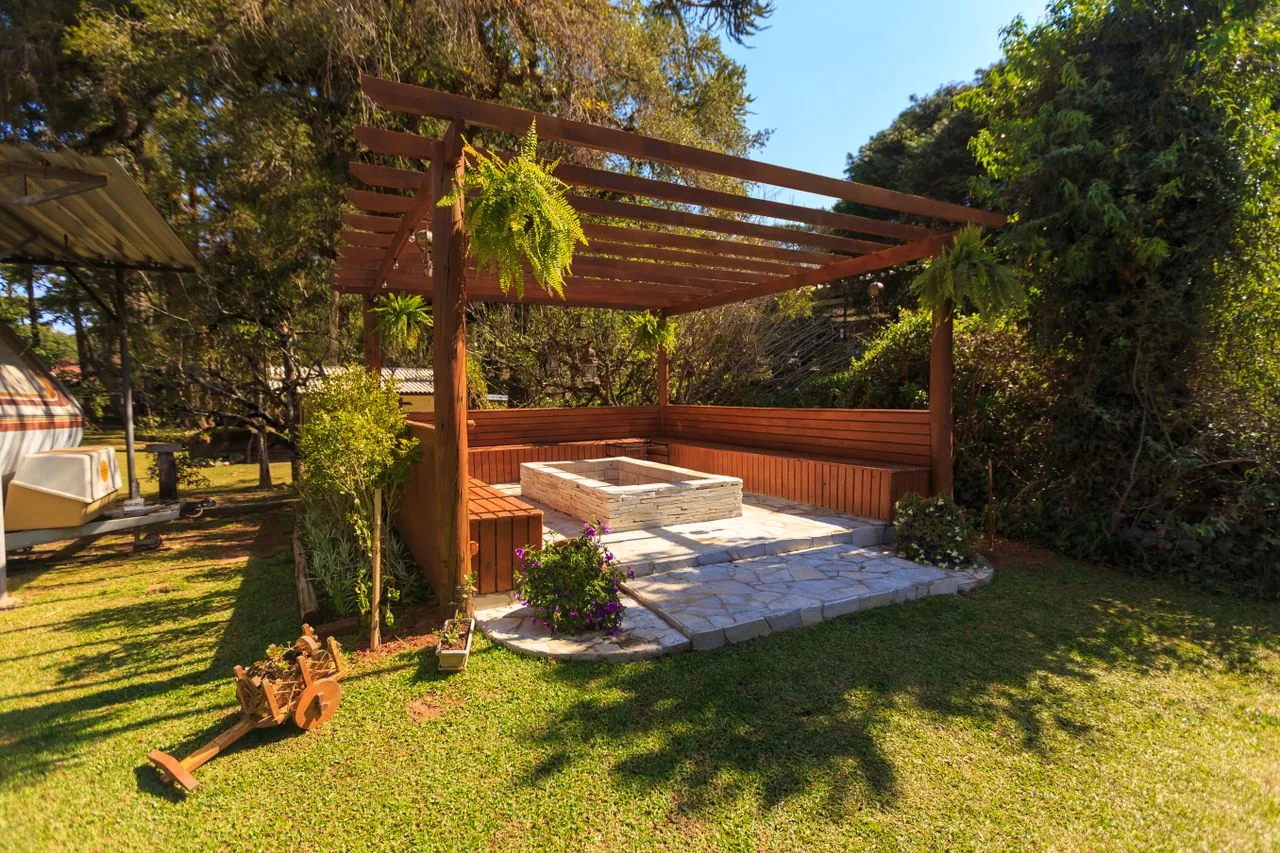
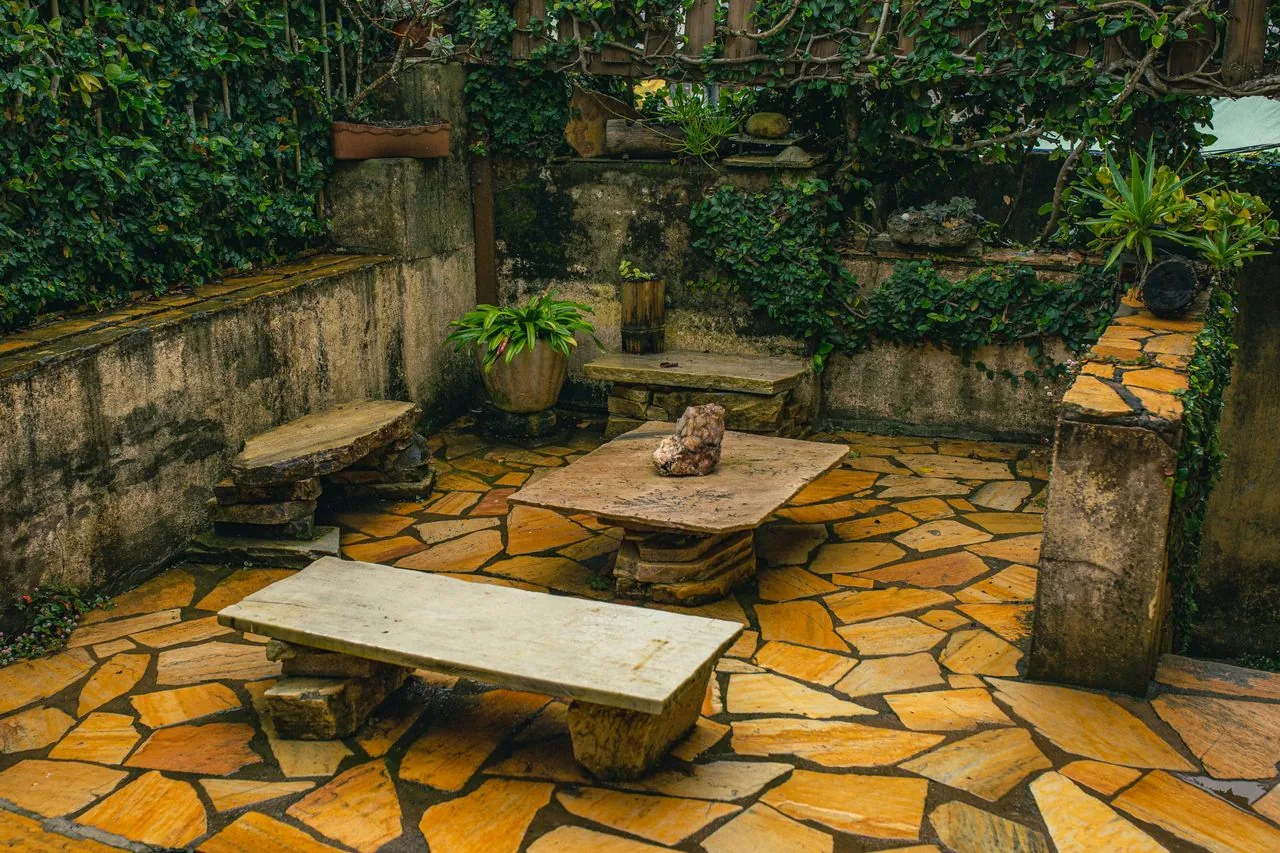
The single most important choice is the stone itself, and the rule I keep coming back to is to let the house decide. A mellow sandstone sits beautifully against old brick; crisp porcelain or sawn granite suits a modern extension; reclaimed York stone belongs with a period property and looks faintly silly against rendered minimalism. The garden should feel like it grew out of the building, not like it was bought from a different shop. If you want to train your eye before you commit, browsing the rooms and gardens in House Beautiful's garden section is a quick way to see how materials read in real settings rather than in a sample the size of a coaster.
Beware the tiny sample. A stone that looks warm and characterful in a 100mm offcut can read as busy and restless across forty square metres. Always get the largest sample you can, lay several pieces out together, and look at them wet as well as dry, because most paving spends a good part of the British year soaking. Texture matters too: a riven, slightly uneven surface hides dirt and feels natural underfoot, while a honed finish looks sharp but turns into a skating rink in frost.
Falls, Foundations and the Boring Bits
Here's the part nobody photographs and everybody regrets ignoring. A patio must drain, which means it has to fall, gently, away from the house, at roughly a 1-in-80 gradient. That's about 12mm of drop per metre, invisible to the eye but the difference between a terrace that dries after rain and one that holds a puddle by the back door all winter. Get the fall wrong and no amount of beautiful stone will rescue it.
Below the surface, the foundation does the real work. Stone laid on a skimpy bed will rock, crack and lift within a couple of winters. A proper sub-base of compacted hardcore and a full mortar bed under every slab, not the dreaded five blobs, is what keeps the surface true for decades. This is the least glamorous money you'll ever spend in a garden and the most worthwhile.
Proportion and Detail
Finally, the details that separate competent from beautiful. Keep paths generous, a metre and a wider for anything used regularly, because a mean path makes the whole garden feel pinched. Think about the joints: a tight, well-pointed joint reads as crisp and contemporary, while a wider joint planted with low creeping thyme softens everything and lets the stone breathe. And mind the edges, where paving meets lawn or planting; a clean, slightly recessed edge lets a mower run over it and saves you a lifetime of fiddly trimming. Get the material, the falls and these quiet details right, and the hardscaping will disappear into the background exactly as it should, doing its job and letting the garden shine.